
Furniture That Fits Through Every Doorway
Furniture Assembly and Disassembly in Atlanta for households relocating oversized beds, dining tables, and modular shelving units
Large furniture pieces that fit comfortably inside rooms often cannot exit through doorways, hallways, or stairwells when kept intact, and forcing furniture through narrow spaces damages door frames, scratches walls, and risks breaking the furniture itself. Disassembling beds, dining tables, desks, and shelving before moving creates manageable components that load safely into trucks without awkward angles or excessive force. J & K Moving handles furniture assembly and disassembly in Atlanta using organized hardware tracking and careful component handling so pieces reassemble correctly at your new location without missing screws or misaligned joints.
The process involves removing legs from tables, separating bed frames into headboards, footboards, and rails, and breaking down shelving units into individual panels. Hardware for each piece is bagged and labeled, then taped to the corresponding furniture component to prevent loss during transport. Reassembly at the destination follows the reverse sequence, restoring furniture to full function in the designated rooms.
Request furniture disassembly services when booking your move to confirm that the crew brings necessary tools and allocates sufficient time for both teardown and reassembly.
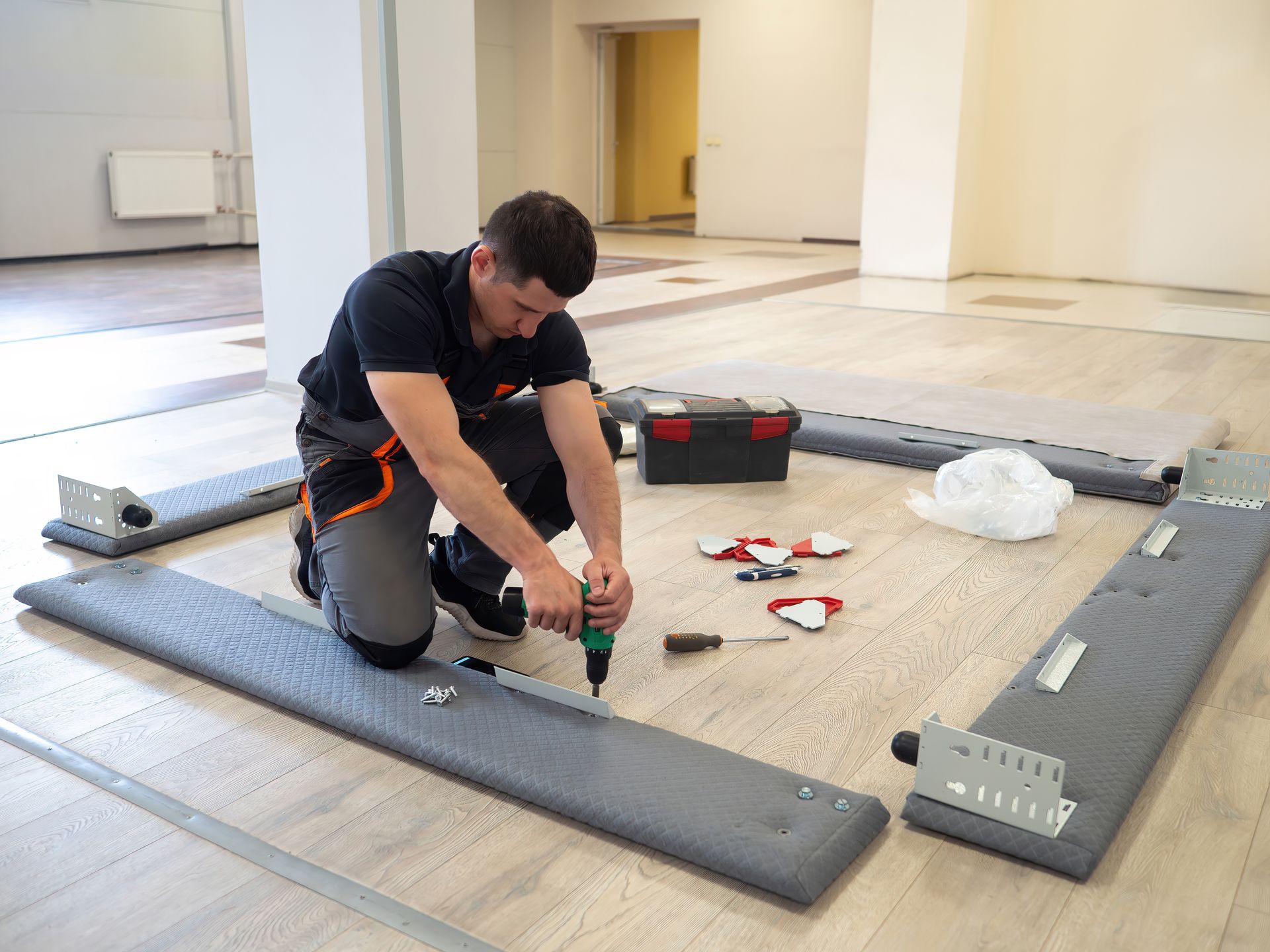
What Proper Disassembly Prevents During Transport
Disassembly reduces the overall volume furniture occupies in the truck, allowing more efficient use of cargo space and decreasing the likelihood of damage from items shifting against each other. King and queen bed frames separate into four or five pieces that stack flat against the truck wall, while dining tables with removable legs pack alongside other flat components instead of consuming floor space that could hold multiple boxes. Each disassembled piece is wrapped in blankets or padding to protect finishes during loading and transit.
After reassembly is complete, your beds are stable and properly aligned, dining tables sit level without wobbling, and shelving units hold weight without sagging because all hardware is tightened to the correct specifications. You'll notice that nothing squeaks, no pieces are left over, and furniture functions exactly as it did before disassembly. This attention to hardware organization prevents the common frustration of setting up a bed only to discover that bolts are missing or wrong-sized screws were used because components were mixed together during packing.
The service includes disassembly of movable furniture and reassembly at the new location but does not cover built-in cabinetry, wall-mounted units, or furniture requiring specialized tools beyond standard hex keys and screwdrivers. Some furniture manufactured with cam locks or pressed-wood joints weakens after repeated disassembly, so pieces moved multiple times may not hold hardware as tightly as when originally assembled.
What Property Owners Usually Ask
What types of furniture typically require disassembly before moving?
Bed frames larger than twins, dining tables with removable legs, modular shelving systems, large desks with attached hutches, and sectional sofas with connecting hardware all benefit from disassembly to reduce size and prevent damage when navigating doorways, staircases, and tight hallway turns.
How are screws, bolts, and hardware kept organized during the move?
Each piece of furniture receives a labeled plastic bag containing all its hardware, and the bag is taped directly to the corresponding furniture component or placed inside a drawer of that piece, which prevents mixing hardware from different items and eliminates searching through unmarked bags during reassembly.
What happens if furniture is damaged during disassembly or reassembly?
Careful handling and appropriate tools minimize this risk, but furniture made from particleboard or with stripped screw holes may not reassemble as tightly as originally constructed, which is why movers inspect joint integrity before disassembly and document any pre-existing damage or weak connections.
Why do some beds and tables not require disassembly?
Smaller furniture that fits through standard 32-inch doorways while intact, such as twin beds, bistro tables, and nightstands, moves more efficiently without disassembly because the time spent breaking down and reassembling exceeds the benefit gained from reduced size.
When does furniture get reassembled relative to the rest of the unloading process?
Reassembly typically occurs after all boxes and furniture are unloaded and placed in their designated rooms, allowing the crew to work without obstructing pathways and ensuring each piece is assembled in its final location rather than moved again after setup.
J & K Moving evaluates which furniture pieces require disassembly during the initial estimate so appropriate tools and time are allocated on moving day. Add furniture assembly and disassembly to your service plan to avoid last-minute decisions that delay loading or risk damage from forcing oversized items through doorways.
Furniture disassembly questions often address which items require service, how hardware is tracked, and what happens if reassembly reveals missing components.